
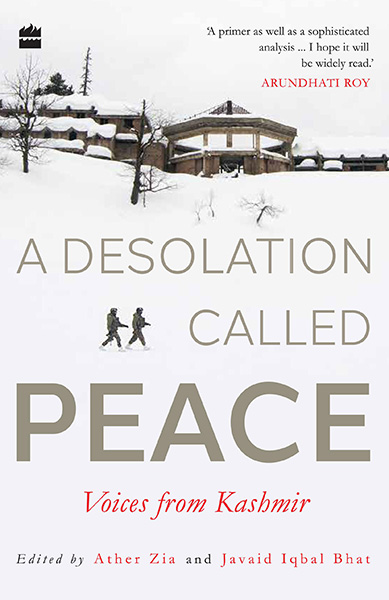
A Desolation Called Peace: Voices from Kashmir
Ather Zia and Javaid Iqbal Bhat (editors)
Be the first to review it
Essays, reportage, poems and stories by Kashmiri writers on life under conflict and occupation.
Loading…
Something wrong or worrying on this page? Raise an issue
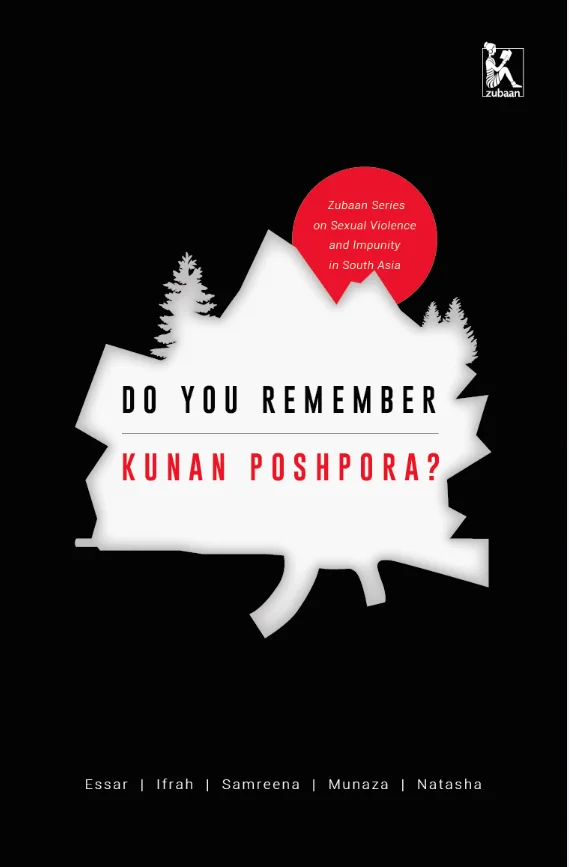
Essar Batool, Ifrah Butt, Munaza Rashid, Natasha Rather, Samreena Mushtaq · Zubaan Books · 2016 · 224 pages · State Violence · Police Investigation · Kashmir · Gender Studies
No reviews yet. Be the first.
1 reading now
On a cold February night in 1991, a group of soldiers and officers of the Indian Army pushed their way into two villages in Kashmir, seeking out militants assumed to be hiding there. They pulled the men out of their homes and subjected many to torture, and the women to rape. According to village accounts, as many as 31 women were raped. Twenty-one years later, in 2012, the rape and murder of a young medical student in Delhi galvanized a protest movement so widespread and deep that it reached all corners of the world. In Kashmir, a group of young women, all in their twenties, were inspired to re-open the Kunan-Poshpora case, to revisit their history and to look at what had happened to the survivors of the 1991 mass rape. Through personal accounts of their journey, this book examines questions of justice, of stigma, of the responsibility of the state, and of the long-term impact of trauma.
IndiaEnglish
Prices are subject to change. Check your local bookshop or library too.
0 threads
0 threads
0 threads
0 threads
0 threads
0 threads
0 threads
Ather Zia and Javaid Iqbal Bhat (editors)
Be the first to review it
Essays, reportage, poems and stories by Kashmiri writers on life under conflict and occupation.
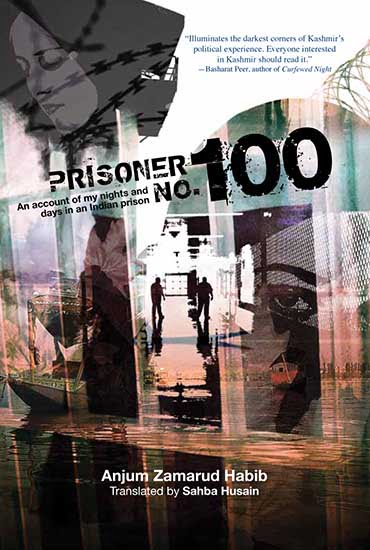
Anjum Zamarud Habib (translated by Sahba Husain)
Be the first to review it
The prison memoir of Anjum Zamarud Habib, a Kashmiri political activist held for five years in Tihar Jail: daily life, humiliation and solidarity inside an Indian prison. One of the few accounts of the conflict written by a Kashmiri woman in her own voice.
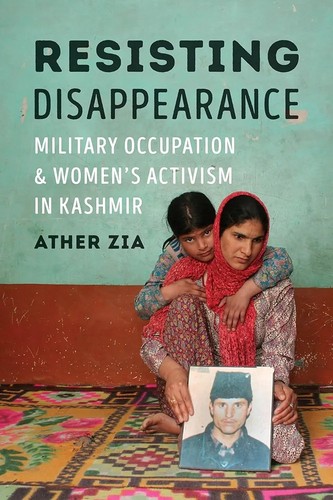
Ather Zia
Be the first to review it
An ethnography of the mothers and half-widows of Kashmir's disappeared, and of the Association of Parents of Disappeared Persons: how grief became a form of political resistance.
Log in as a verified member to join the conversation.